How Distribution Works for Emerging Artists
By Bridges Management
Releasing music today is easier than ever, however, understanding how it actually moves is where many emerging artists get stuck. Distribution has become one of the most misunderstood parts of the music industry.
For some, it feels like a shortcut to visibility. For others, it’s just another platform asking for a fee.
The truth sits somewhere in between.
This guide breaks down how distribution really works, what it does, doesn’t do, and how emerging artists can make informed decisions without rushing or guessing.
1. What Music Distribution Really Means
At its core, distribution is the process of delivering your music to digital streaming platforms such as Spotify, Apple Music, Boomplay, and Audiomack.
A distributor acts as the middle layer between the artist and these platforms, handling uploads, metadata, and payouts.
Key thing to understand:
- Distributors are not labels.
- They don’t automatically promote your music, build your audience, or create momentum.
- Their role is access — not amplification.
2. What Distribution Does Not Do
One of the biggest misconceptions is believing that distribution equals growth. Uploading a song does not guarantee listeners, playlists, or press. Without strategy, timing, and audience, distribution simply places your music on a shelf that millions of others also occupy.
This is why artists often feel disappointed after release day — not because the music isn’t good, but because expectations were misaligned.
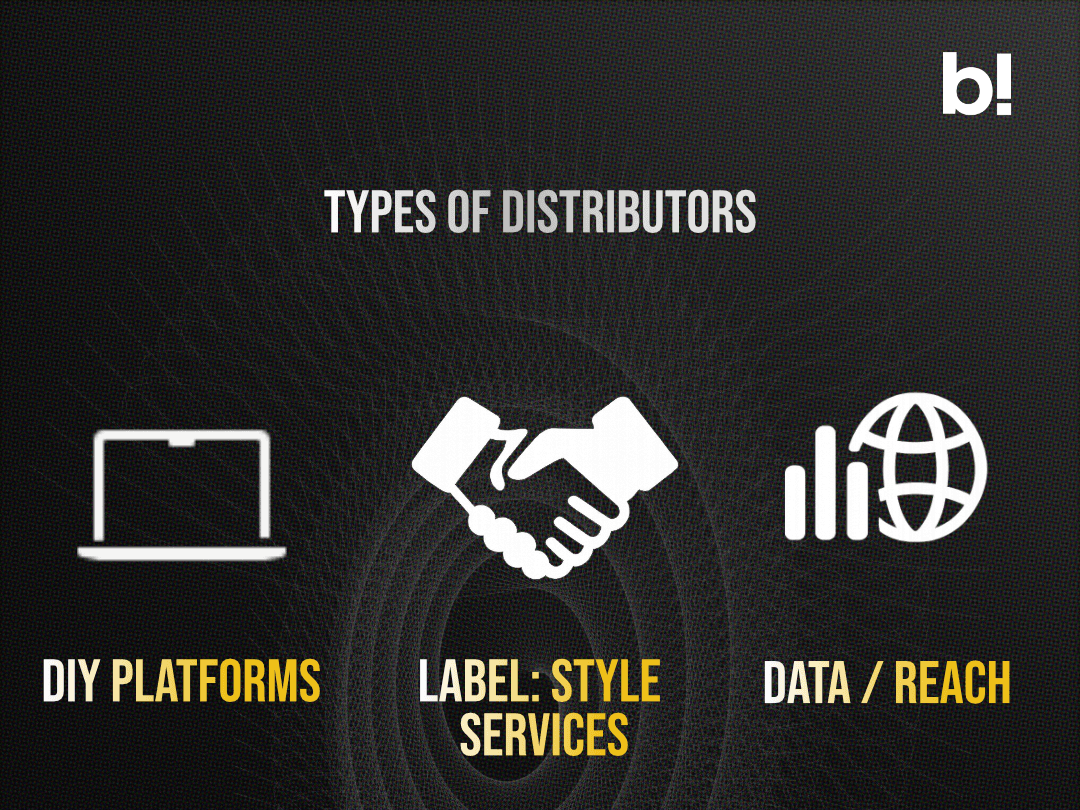
3. Understanding the Different Types of Distributors
Not all distributors operate the same way. Some are self-service platforms that allow artists to upload independently while retaining full ownership. Others offer additional services like marketing support, analytics, or playlist pitching — sometimes in exchange for a percentage of revenue or rights.
The key difference lies in control. Artists must understand what they’re giving up (if anything) in exchange for convenience or support.
4. What Emerging Artists Should Prioritize
Before choosing a distributor, emerging artists should focus on ownership, transparency, and alignment. Understanding who owns the masters, how royalties are paid, and what happens if the relationship ends is more important than how fast music can be uploaded.
Distribution should support your growth — not limit it.
5. Common Mistakes Artists Make
Many artists rush into distribution decisions based on trends, recommendations, or surface-level benefits. Others ignore the fine print entirely. Some release music without any plan beyond upload day, hoping the system will do the work for them.
These mistakes are avoidable with the right information and patience.
6. Where Structure Comes In
Distribution works best when it sits within a larger system — one that includes sound development, branding, audience growth, and long-term planning. Without that structure, even the best distribution platform will fall short.
This is where guidance and strategy matter.
Final Thoughts
Distribution is a tool — not a shortcut.
When understood properly, it can support an artist’s journey. When misunderstood, it can create false expectations and stalled momentum.
Clarity is power. And informed artists move differently.